What a Drywall Contractor Runs Into on a Town Lot and on Acreage
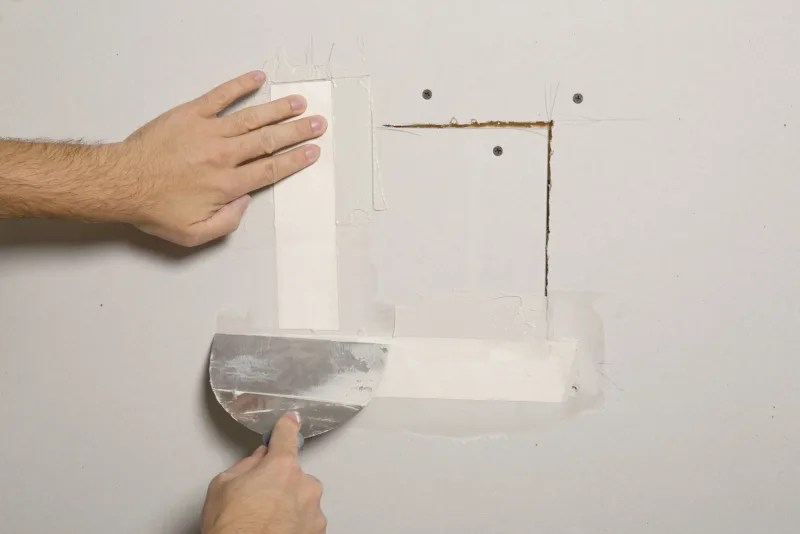
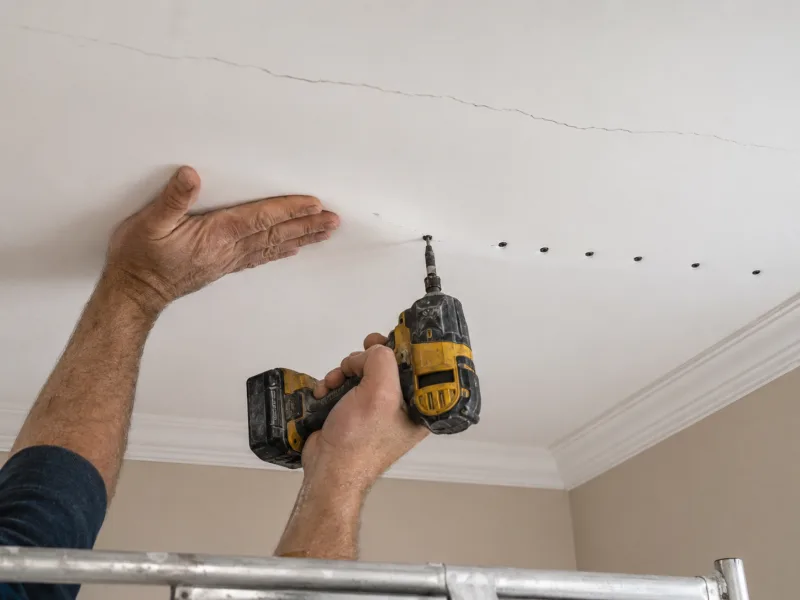
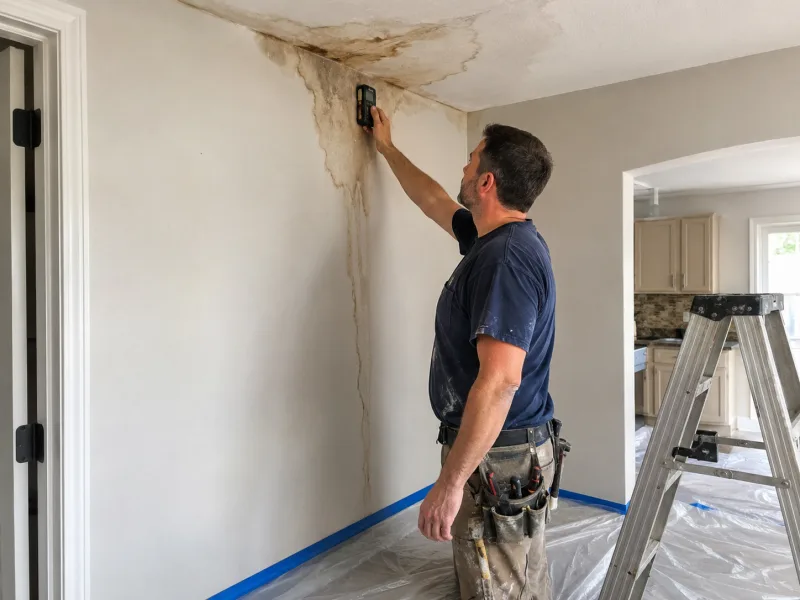
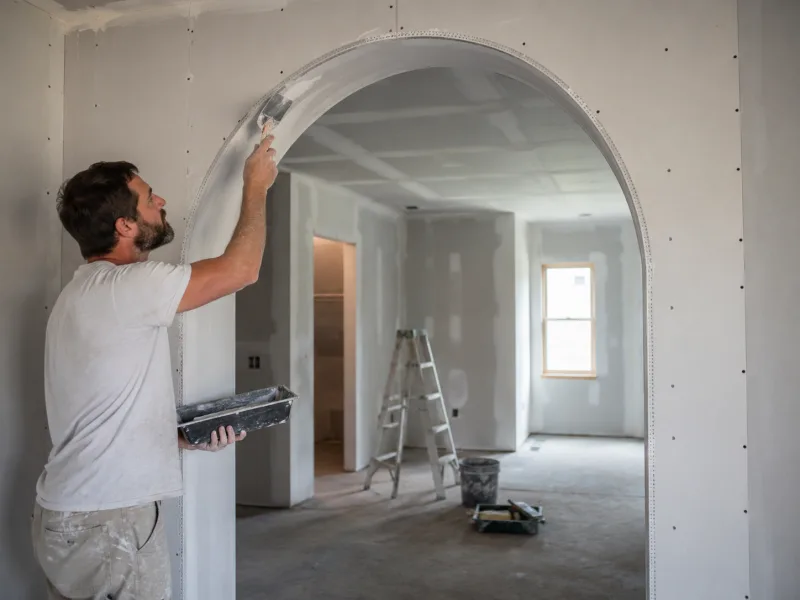
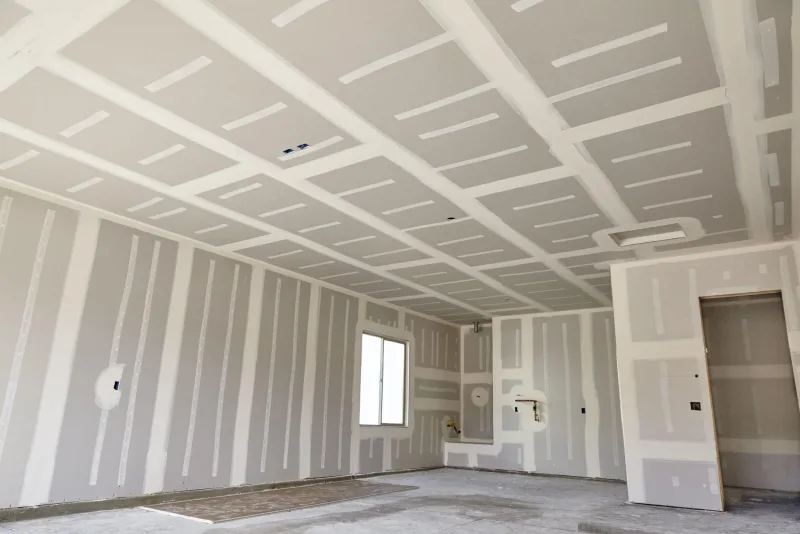
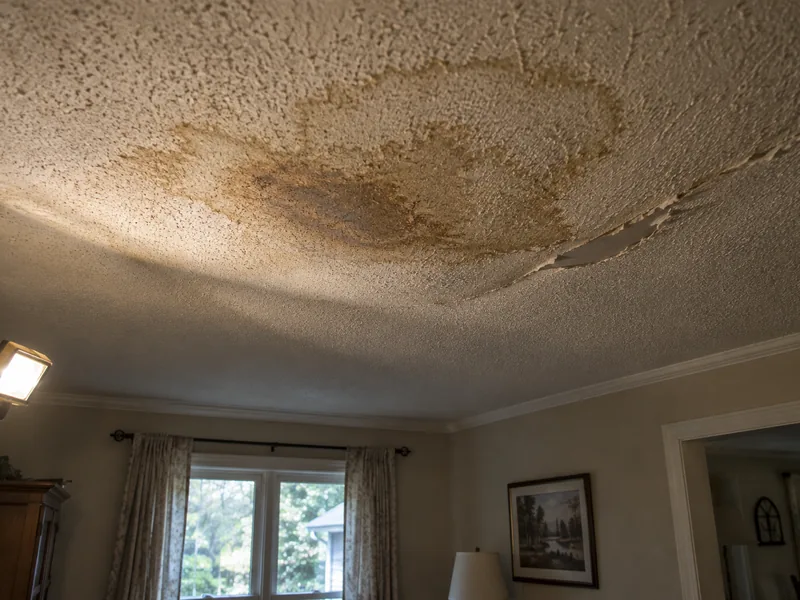
A drywall patch follows the same basic process wherever the property is: cut back the damaged gypsum board, fit a new piece, tape and coat the joint, sand it flat and match the surrounding surface. What changes between a house on a street in central Splendora and one on several acres outside town is everything around that repair, including where the van can park, which door the board comes through, where there is room to cut and which parts of the house need to stay in use while we work.
Those are the questions we ask before setting a date, because the answers affect how the workday is planned, not what the drywall repair itself costs in hours of skill.
Getting In: The Approach, the Parking and the Trip From the Van
On a town lot, the vehicle is only a few steps from the door, which helps with access but creates other constraints. Drywall sheets come through a front room that is still in use, so furniture has to be moved first, and with neighbors close by, we agree on the noisy part of the work with you instead of assuming the timing.
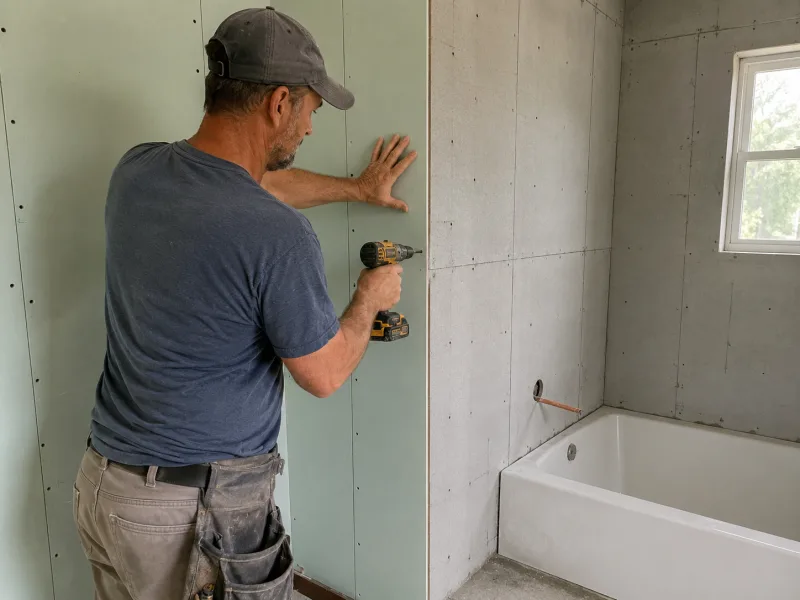
On acreage, the approach may be long, unpaved or behind a gate that someone has to open before we can reach the house. A full sheet of gypsum board is bulky and awkward for two people to carry, and here it has a real distance to travel from the vehicle to the room where it will be installed. The advantage is the extra space outside, which gives us room to measure and cut in the open so offcuts and the first round of debris never have to come indoors.
Keeping the Dust Where the Work Is
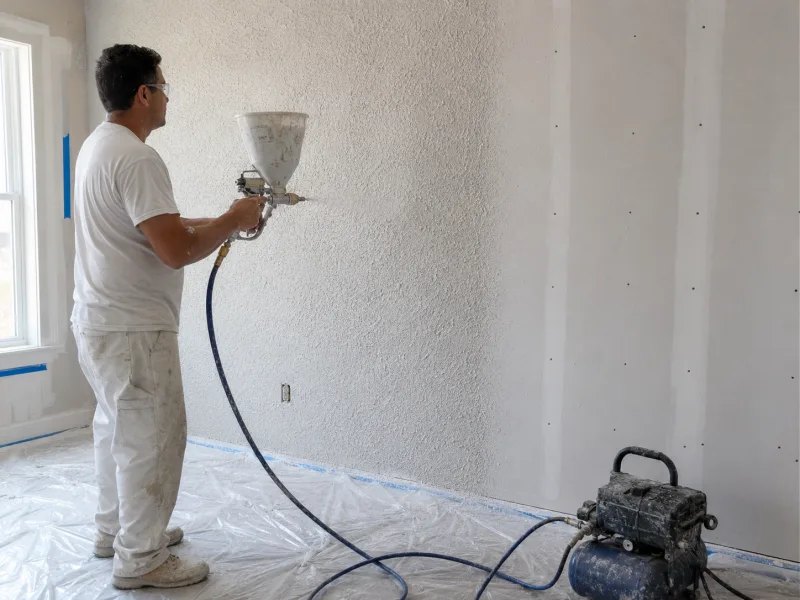
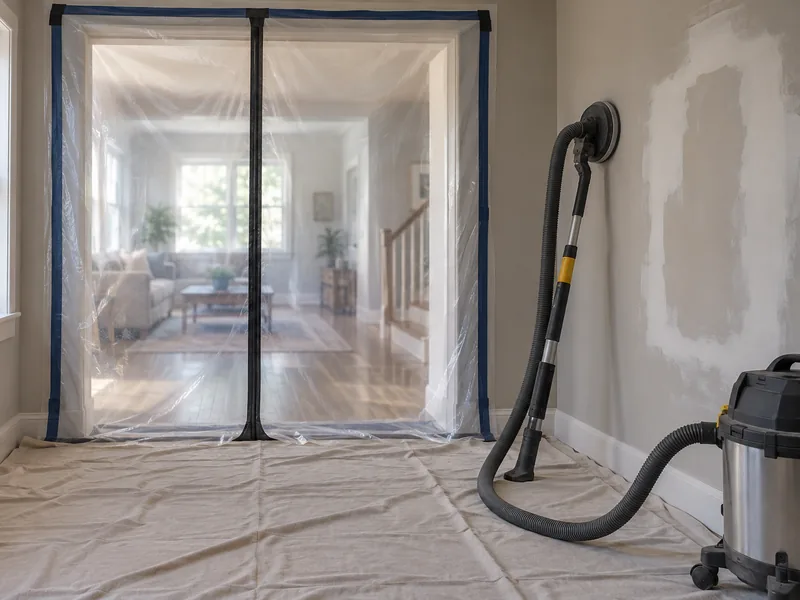
Cutting drywall is not what creates most of the mess. Sanding does, because the fine white dust follows the air currents already moving through the house. That means the layout of your rooms determines how far the dust travels more than the size of the repair itself. In a large open-plan house on an open lot, dust has more connected space to move through than it does in a smaller, closed-off house in town, so we place barriers where one room opens into the next rather than only around the damaged wall.
Dust control is included in the price rather than added as a separate charge. We sheet the doorways, seal the edges around the work area and sand with dust drawn off at the tool instead of letting it settle and sweeping it up afterward. Tell us which rooms need to stay usable while we work, and we will explain which spaces will be out of service and roughly how long you will be without them.
Long Wall Runs and Where the Joints Land
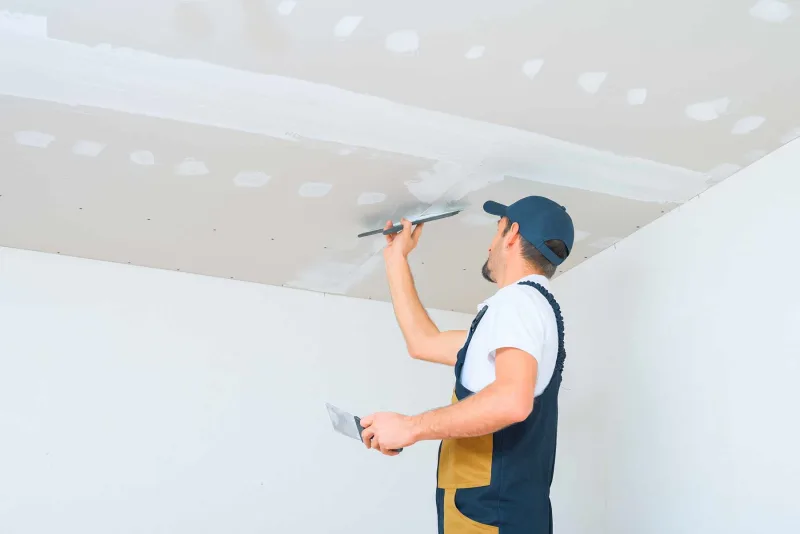
The third difference acreage brings has nothing to do with access. Rooms here tend to be larger, so a taped joint can run the full length of a wall without a doorway or corner to interrupt it. Where two cut ends of gypsum board meet in the middle of that run, the butt joint has no recessed edge to hold the tape and nothing nearby to draw your eye away from it. We feather the compound wide on both sides and check the wall in raking light cast at a low angle along its full length, because a long wall is judged as one continuous surface rather than one spot at a time.