Walls in a Building That Sits Empty Most of the Year
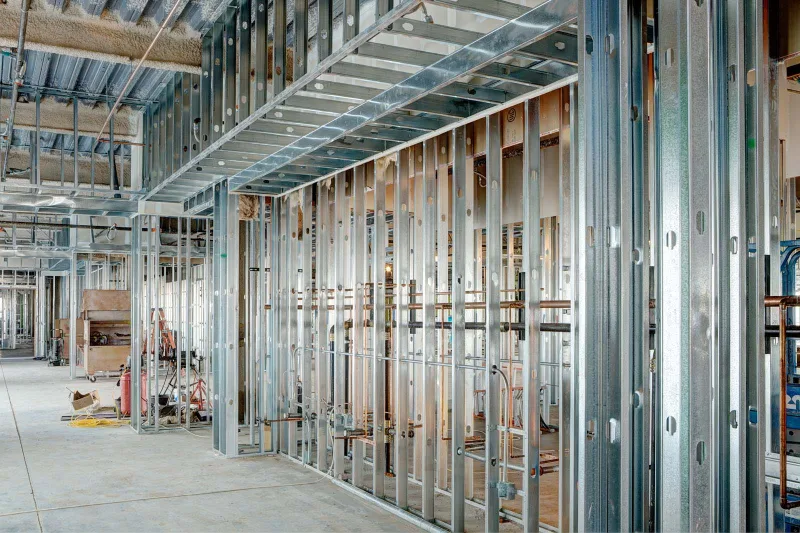
Around Plantersville, many buildings are used only part of the year rather than occupied week after week, including weekend houses, family properties that sit empty and outbuildings finished inside and then closed up. A building like that can go months without anyone checking the walls and ceilings closely, and problems continue while it is empty. Gypsum board, the paper-faced panel that forms the flat surface of an interior wall, shows those changes clearly. Nearly every repair we handle on these properties starts with something the owner notices on the first walk-through after a long absence.
What a Slow Leak Does When Nobody Is There to See It
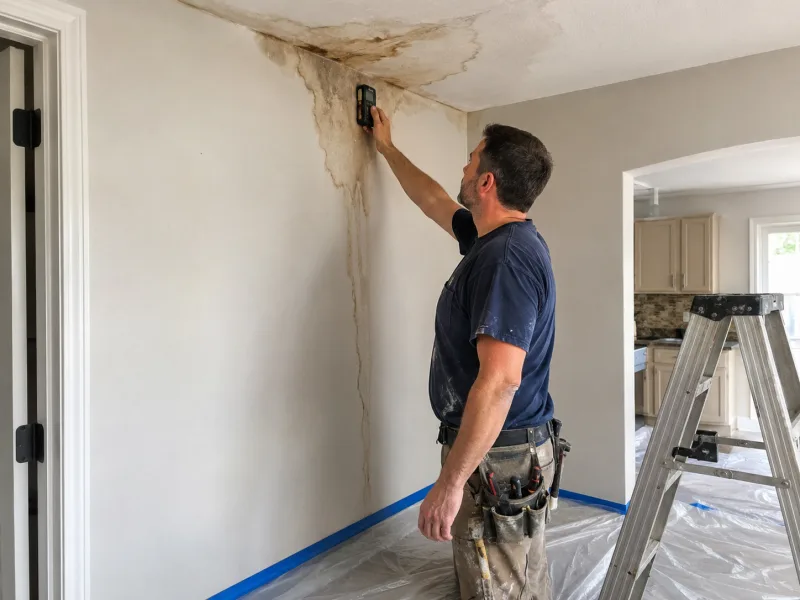
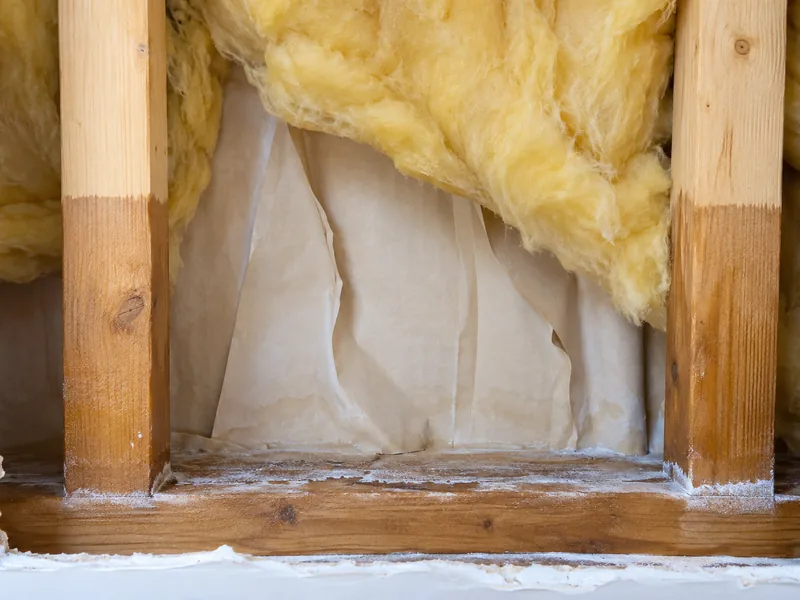
Water damage drywall repair means cutting out board that got wet and rebuilding the wall or ceiling so the surface is flat again. A leak that keeps running does not give the board time to dry between wettings, so the panel stays soft and the paper face starts separating from the plaster core. In an empty building, that continues for weeks before you see it, and by the time you notice a sagging ceiling or a brown ring overhead, the water has spread well beyond where it entered.
A stain shows you where the water reached the surface, not where it entered. We use a moisture meter, a handheld instrument that measures how much water is held in the board and the framing behind it, so we cut back to dry material instead of treating the stain as the edge of the damage. The moisture source has to be stopped and any active mold dealt with before the wall is closed.
Board and Tape in a Building That Is Not Heated or Cooled Year Round
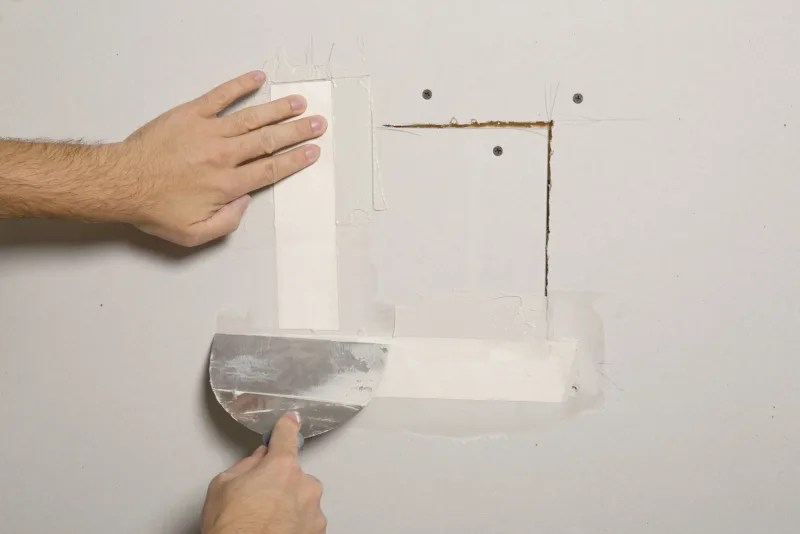
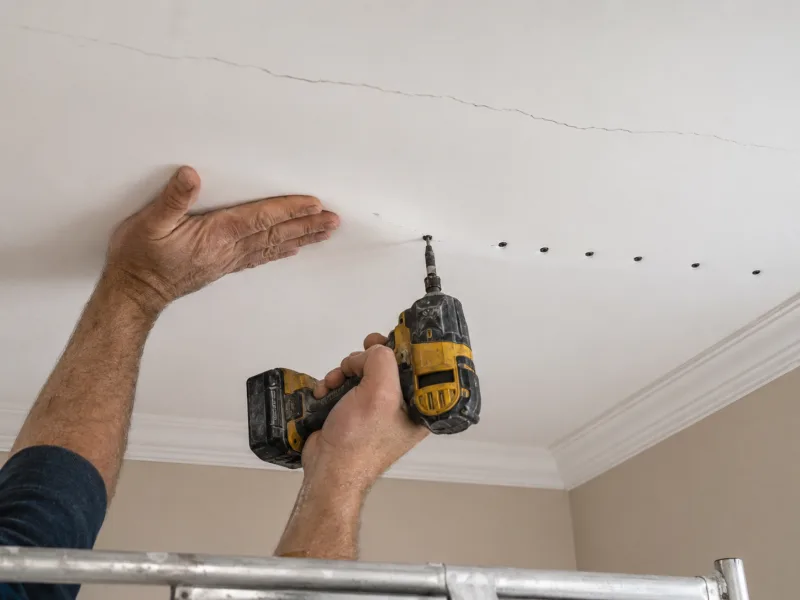
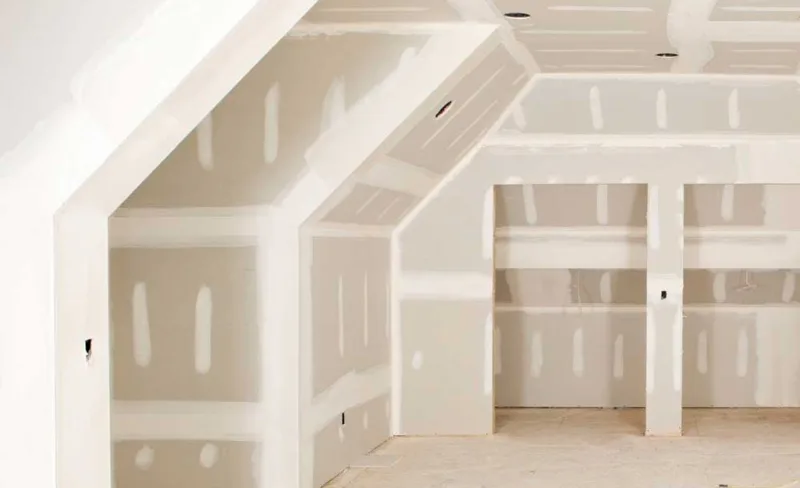
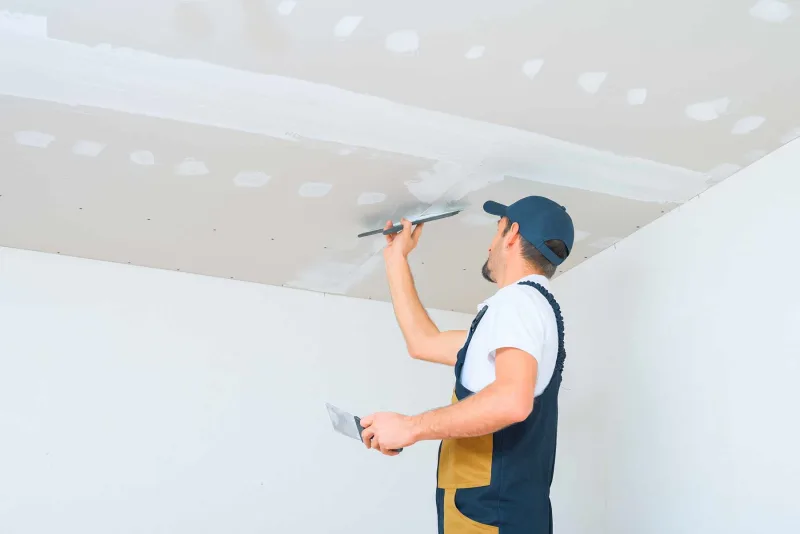
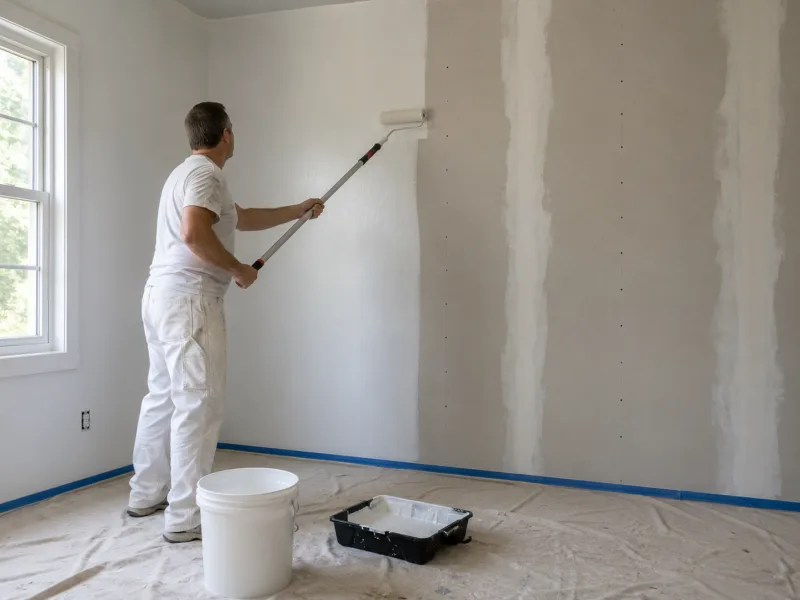
A building that is closed up without heating or cooling follows the outdoor temperature more closely than a house occupied every day, so the change between a cool morning and a hot afternoon is greater. Finished walls take that movement at the joints between panels. Drywall tape is the paper or mesh strip laid over each seam, and joint compound is spread over it to create a flat finished surface.
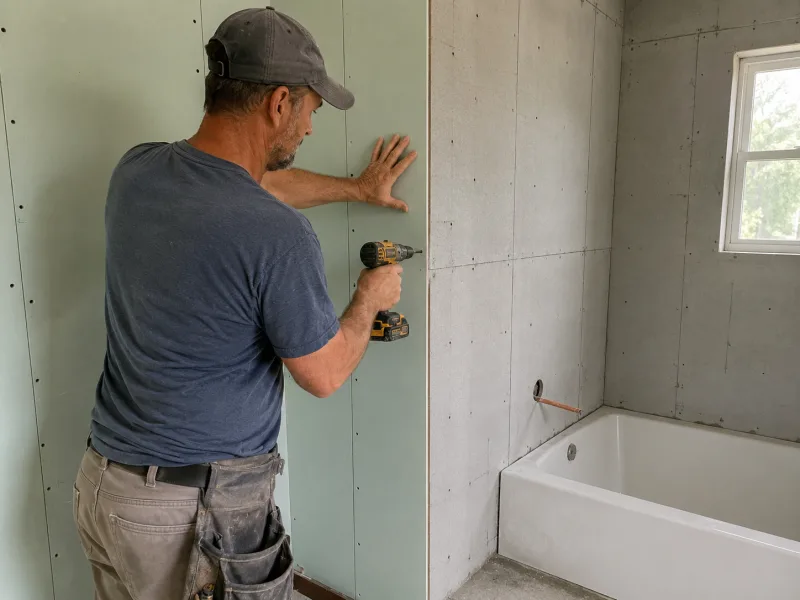
Where two panels move against each other repeatedly, the tape lifts, the compound cracks along the seam and the surface texture breaks. A wall that looked sound in spring can open by late summer. On a wall that gets damp, we specify moisture-resistant board. In other cases, the repair comes down to rebuilding the joint correctly and the texture matching that follows.
Getting the Work Done in the Weeks Between Seasons
On a building used only part of the year, the time it stands empty is the only window the work fits into, and you want it finished before you need the place again. We first measure what has to come out, then you settle how the finished surface should look, and complete the repair within that window.
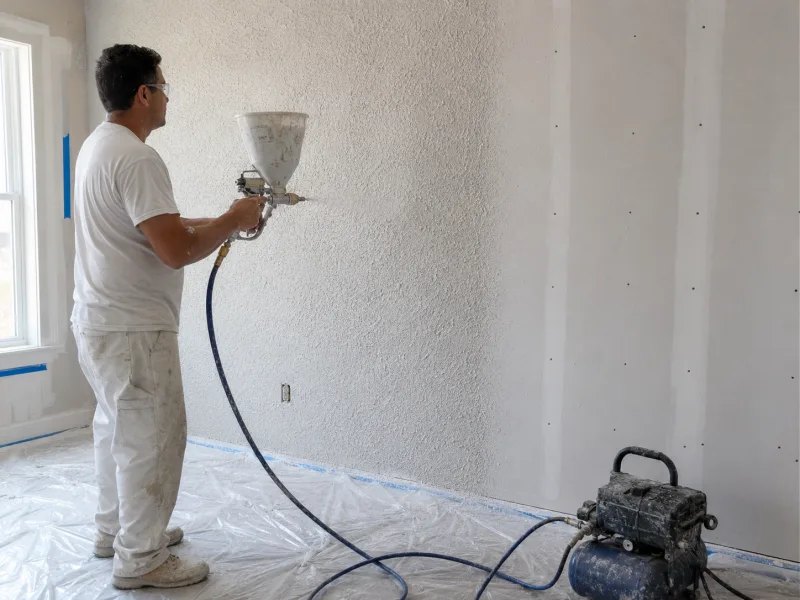
Texture matching has to be decided before the first coats go on because the pattern is built as the joint is filled, not added at the end. On a rebuild, the schedule is set by the time joint compound needs to dry between coats, and rushing that stage leads to cracking later. We plan the work backward from the date you need the building ready.